Bunny Stream: How to Host and Deliver Videos Without Vimeo or YouTube
A step-by-step guide to hosting your own videos with Bunny Stream. I use it for my free courses on bitbuddies.me and it costs a fraction of what Vimeo charges.
Dragos

Page 15 of 38 — Tested DevOps tutorials, programming guides, and self-hosted tools
A step-by-step guide to hosting your own videos with Bunny Stream. I use it for my free courses on bitbuddies.me and it costs a fraction of what Vimeo charges.
Learn how to connect your Hermes agent to free models on the Nous Research Portal — currently Step 3.5 Flash (10 days free).
Install Hermes Agent v0.18 on Linux with free models from OpenRouter. Covers Docker Compose, Telegram, Discord, Slack, WhatsApp, and the built-in web dashboard.
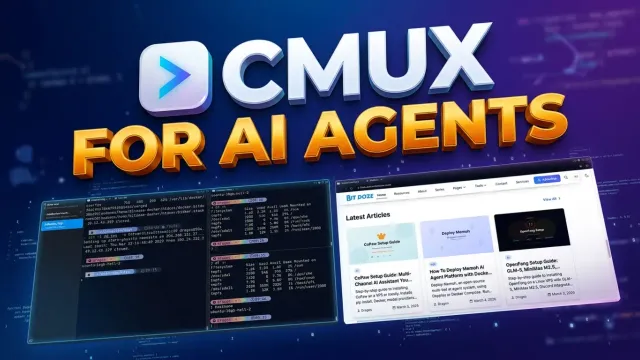
Learn what cmux is, how it relates to Ghostty and tmux, and why its browser, notifications, and automation CLI make it interesting for AI-agent workflows.
Step-by-step guide to installing CoPaw on a VPS or locally. Covers pip install, Docker, model providers, channels like DingTalk, Discord and Telegram, skills…
Deploy Memoh, an open-source multi-bot AI agent system, using Dokploy or Docker Compose.
Step-by-step guide to installing OpenFang on a Linux VPS with GLM-5, MiniMax M2.5, Discord integration, autonomous Hands, and 16 security layers.
The default WooCommerce product editor is slow and clunky. Learn how I built an open-source React dashboard for managing WooCommerce products and how to…
A practical guide on migrating from WordPress to Astro with MDX. Learn how I moved wpdoze.com to bitdoze.com using wordpress-export-to-markdown, Codex CLI…
Real benchmark numbers comparing ARM and x86 VPS servers running WordPress on Hetzner — performance, cost, and what to expect.